Economic Impact
Tourism created many income opportunities but mostly informal ones. Bedoul families earn money through camel and donkey rides, souvenir sales, and guiding tourists through shortcuts or hidden trails (Salameh, 2019a). However, because these jobs are unlicensed, they face constant fines and harassment from authorities. The PDTRA’s focus on controlling the site means the community’s participation is often seen as a “violation,” not a contribution (Salameh, 2022).
The loss of herding and farming also increased dependence on daily tourism cash flow. When the COVID-19 pandemic paused global travel, the whole community suffered heavy financial losses — proof of how fragile this kind of informal economy can be (Cultural Survival, 2010).
Social Impact
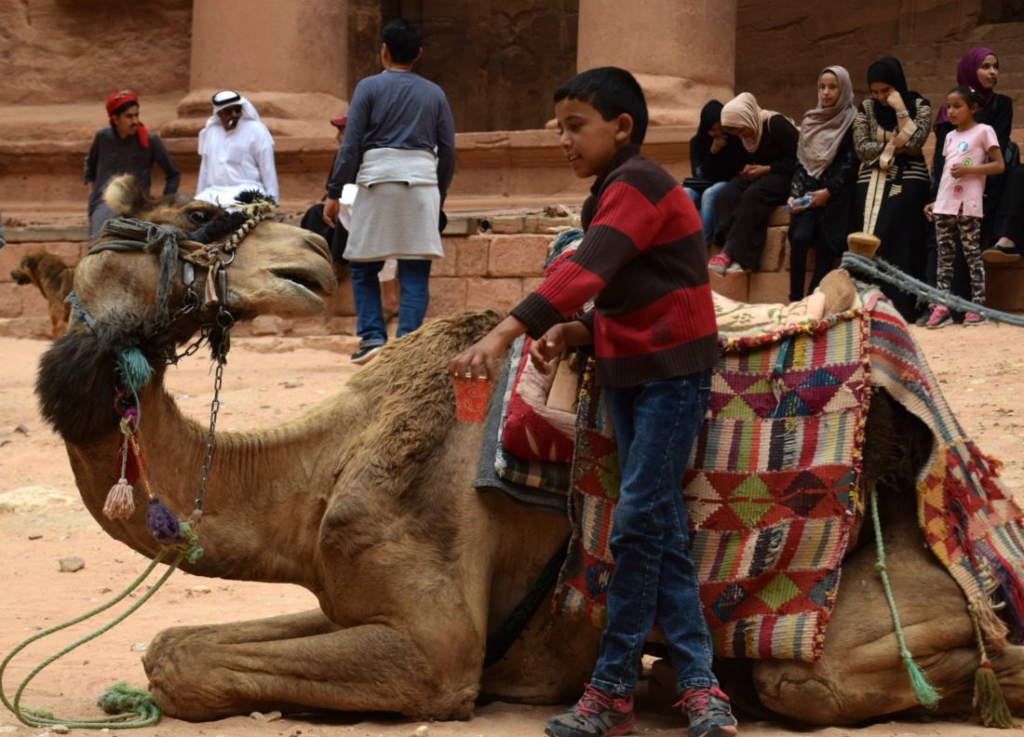
Socially, tourism reshaped community values. Families now center their daily routines on the tourist rush hours. As Salameh (personal communication, 2025) explained, children often leave school early because “education doesn’t seem worth it when tourism pays more.” Women participate mostly through making handicrafts or selling drinks, but cultural norms limit their public work roles.
At the same time, tourism gives the Bedoul a sense of pride. They enjoy sharing their history and storytelling traditions with visitors. This is part of why CBT matters — it connects dignity with livelihood. If formal programs helped them share culture responsibly, it could empower them instead of stigmatizing their presence.
Environmental Impact
Ironically, relocation made environmental management harder. In the caves, families lived with minimal waste and reused natural resources like Nabataean water channels. Now, with unregulated tourism, Petra faces litter, erosion, and animal overuse on paths. UNESCO (n.d.) notes that the Bedoul’s old ecological practices were sustainable — small herds, water conservation, and seasonal land use. If revived, these traditions could support modern conservation programs.
Salameh (personal communication, 2025) also said that many damaging actions happen from “lack of awareness, not intention.” That means better education and communication could make a big difference — another CBT principle that combines local knowledge with scientific management.
Cultural Impact and Sustainability
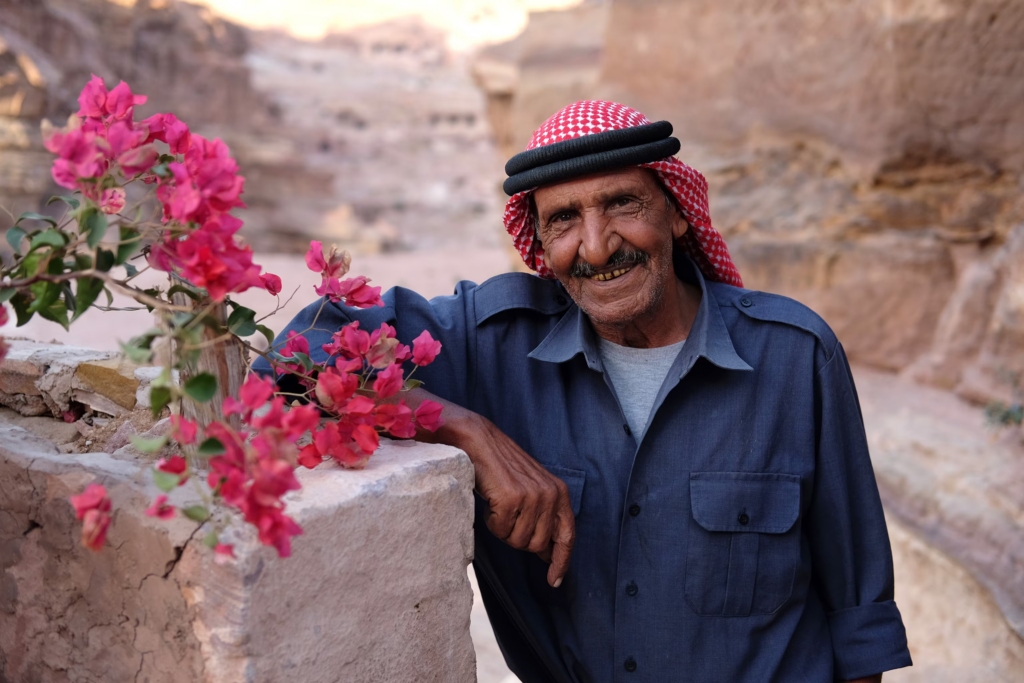
In her article “Layla in the Cave” (2019b), Salameh tells the story of an Egyptian woman who lived in Petra’s caves for 38 years among the Bedoul. Her story shows how the caves were not just shelters but cultural spaces — places of memory, hospitality, and storytelling. Removing people from them also removed part of Petra’s living culture.
Cultural sustainability here means keeping that identity alive while respecting the site’s archaeological value. Some Bedoul still guide visitors through the old routes, singing or sharing legends about Petra’s history. These authentic exchanges reflect what CBT tries to achieve — tourism that benefits people and protects culture at the same time.