The Bedoul community’s main goals in tourism are very practical: to earn income and keep living near their ancestral home. From what Salameh observed in interviews with locals, many of them also wish to gain some recognition and respect as the real people of Petra, not just as workers around it (Salameh, 2019).
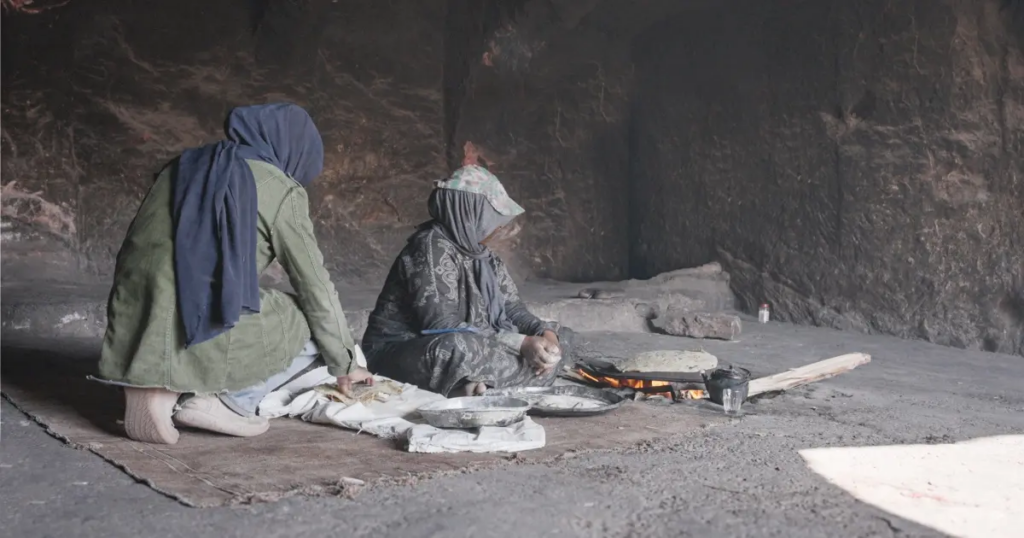
In theory, community-based tourism (CBT) is about local ownership — when people who live in or near a destination manage and benefit from tourism directly. The Bedoul situation shows how not including the community turns CBT into top-down tourism. The Petra Development and Tourism Region Authority (PDTRA) controls permits, routes, and most profits. Meanwhile, the Bedoul have little say in decision-making or how their culture is represented.
Cultural Survival (2010) reported that most formal businesses inside Petra — hotels, cafés, and tour agencies — are owned by outsiders. This leaves the community stuck in informal jobs like selling souvenirs or offering rides. A real CBT approach here would mean giving the Bedoul space to design, manage, and profit from tourism experiences in ways that protect both culture and environment.